20/10/2026 10:41
Will the Cake Board Fit? Telegram Quizzes for Cambodian Packaging Shops

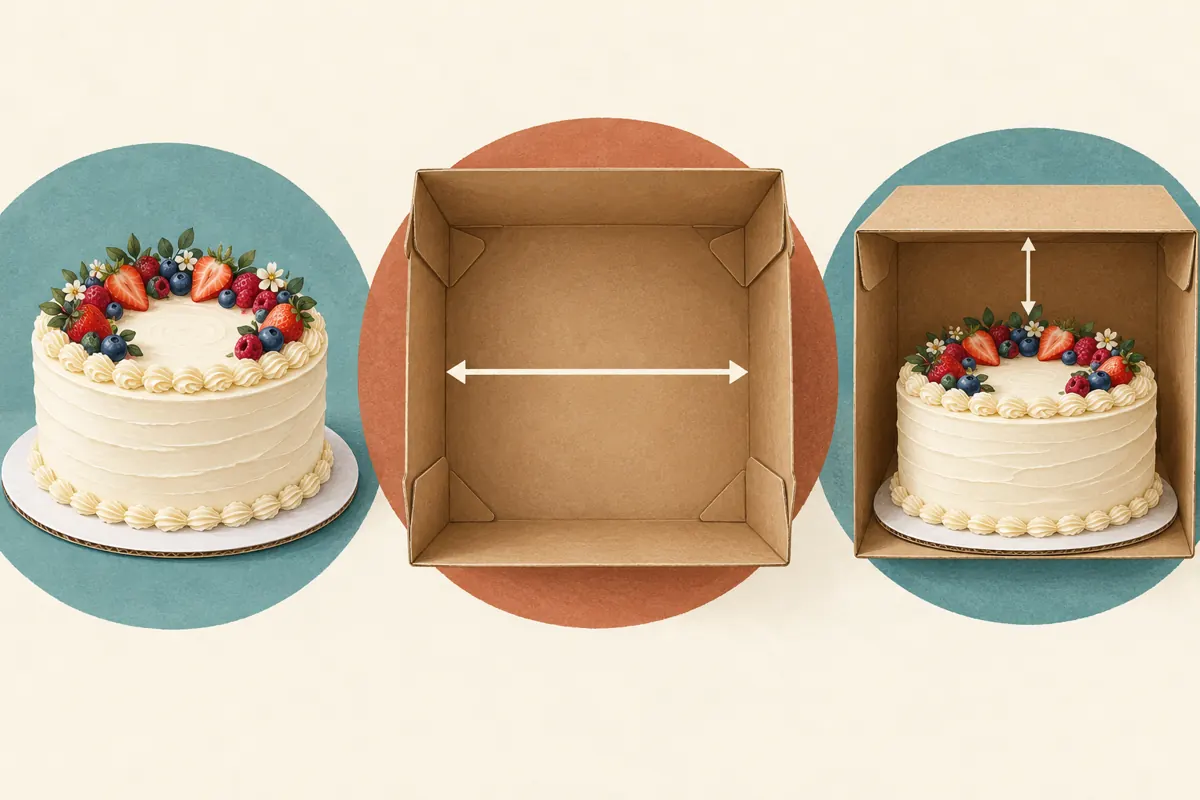
A cake can look comfortably smaller than a box while its board catches against the folded corners. For a Cambodian packaging shop answering bakery enquiries through Telegram, that misunderstanding creates avoidable questions before a quote can be prepared. A short educational quiz gives the shop a useful promotional subject: show customers what to check before requesting packaging. The aim is to make the next conversation more specific. This workflow covers choosing a question, preparing the visual, configuring the quiz, explaining the answer and reviewing the response. It also explains why an SMM panel service record must remain separate from evidence that customers understood the lesson or wanted to buy.
1. Choose a misunderstanding with a verifiable answer
Start with a question your counter staff can resolve using an actual sample. For cake packaging, a suitable lesson is the difference between the cake itself, its supporting board and the usable space inside an assembled box. Keep the first quiz focused on the board. Height, decorations, transport and material suitability can become separate explanations when relevant.
In a hypothetical Phnom Penh packaging shop, a baker asks for a box using only the cake diameter. The assistant normally replies by asking about the board. Turn that repeated exchange into a question: “For a round cake sitting entirely within a wider board, which width must fit inside the box?” This wording establishes the situation clearly. Avoid asking which box is “best” without supplying the conditions needed to decide.
2. Decide whether a quiz suits the message
Use a quiz when you can explain why an answer is correct. Use an ordinary preference question when asking customers whether they prefer windowed or plain boxes. A preference has no universally correct answer, and presenting one as a test can make a promotional post feel manipulative. A stock announcement usually needs a straightforward product description rather than an exercise.
Telegram supports creating polls in groups and channels through the attachment menu. Its newer poll features include quizzes with multiple correct options and settings that allow revoting. For this lesson, deliberately configure one correct answer and review the available controls instead of following an old tutorial that assumes every quiz behaves identically. These capabilities are described in Telegram’s official announcements: [Polls 2.0](https://telegram.org/blog/polls-2-0-vmq) and [Mighty Polls](https://telegram.org/blog/ai-editor-mighty-polls-and-more).
Keep the exercise small enough to understand while standing at a shop counter. One clear question with a useful explanation is a complete post.
3. Prepare a photograph that supplies the necessary context
For the live shop post, photograph the actual cake board beside an assembled sample box. Show the board edge clearly and keep unrelated packaging outside the frame. If you include a cake, make sure viewers can distinguish the cake from its wider base. Use a second angle when the folded corners or opening need explanation.
State whether any displayed dimensions refer to internal space or external size. Do not assume a supplier’s nominal size describes usable clearance. Staff should check the assembled sample before making a product-specific statement. A picture of a flat blank cannot demonstrate the space available after folding.
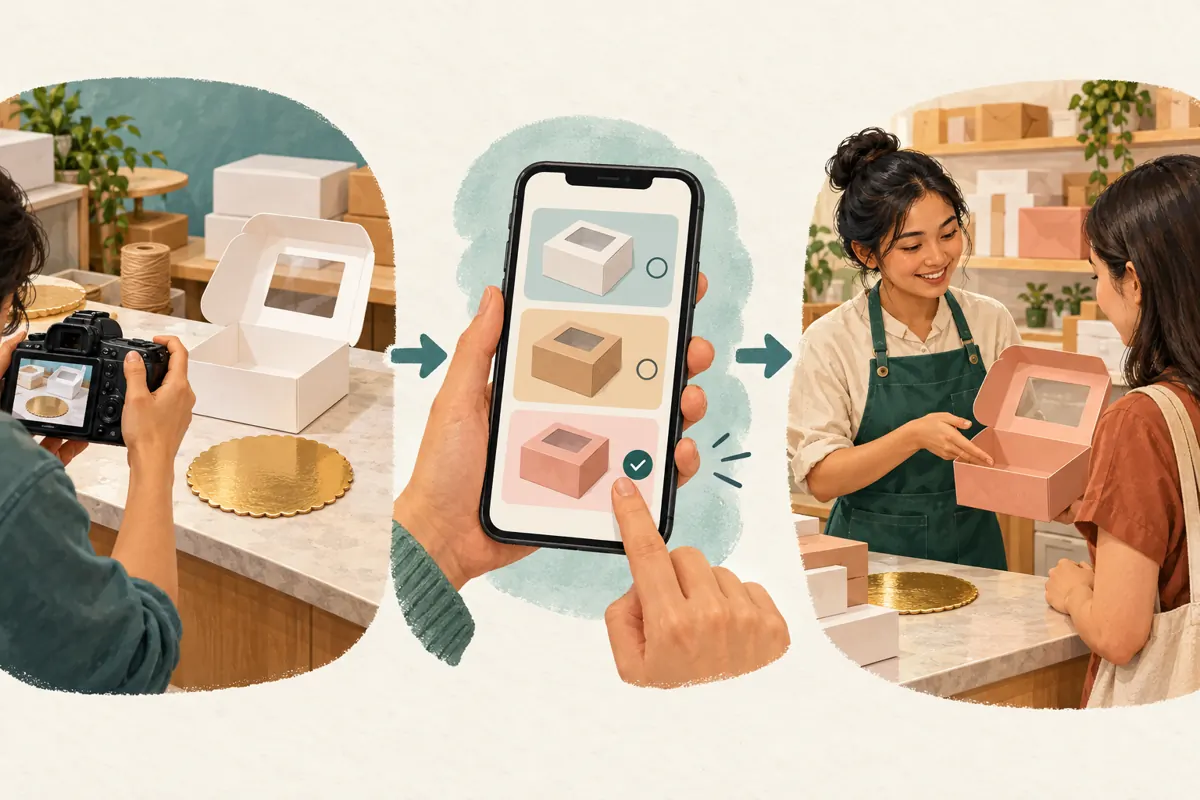
The illustrations accompanying this article explain the workflow conceptually; they are not measurements of a saleable product. Apply the same distinction to your channel: an attractive diagram can teach a principle, while an actual sample and verified specifications support a recommendation. Never invite customers to estimate exact dimensions from an unscaled image.
4. Write the choices and the explanation together
For the hypothetical round-board example, use three choices: “The cake diameter alone,” “The widest part of the cake board,” and “The width of the flattened box blank.” Mark the board answer as correct. Each alternative represents a recognisable misunderstanding, so the explanation can address a real purchasing problem without embarrassing anyone.
Draft the explanation before publishing: “The board must fit within the assembled box’s usable interior. Cake diameter alone does not establish that fit. Check height and decorations separately.” This teaches the limit of the answer as well as the answer itself. It does not imply that matching one dimension guarantees suitable packaging.
Avoid clever traps, double negatives or alternatives distinguished by one easily missed word. Ask a colleague to explain the question back to you without seeing the answer key. If their interpretation differs from yours, revise the wording. For customers who usually enquire in Khmer, prepare a natural Khmer version of the shop post and have a fluent colleague check the packaging terms.
5. Test the quiz before placing it in the sales channel
Prepare a trial in a staff group. Open the attachment menu, choose Poll, enter the question and choices, and select the quiz settings offered by your app. Mark the intended correct choice. Review anonymity, answer-changing behaviour and any timer before sending. Keep a note of those choices so the person reviewing results understands how participation worked.
For a casual learning exercise, give readers enough time to inspect the photograph. A countdown adds little if the task requires finding a ruler or checking a board. If you allow another attempt, treat the result as practice rather than a record of first-attempt knowledge.
Have a colleague test the post on a phone. They should check that the board remains visible, the choices make sense without your verbal explanation and the feedback gives a useful next step. If the composer lacks an explanation field, prepare a separate answer post. Keep the question understandable even when someone encounters it without the surrounding conversation.
6. Publish a lesson with a clear route to an enquiry
Introduce the exercise with a practical reason: “Checking the board can prevent a box-size misunderstanding. Try this question before requesting a sample.” Avoid claims that participation earns a discount or reserves stock unless the business has actually established those terms. A learning post should remain useful even to someone who is not ordering today.
After the answer, invite interested customers to send the board’s widest measurement, the total height including decorations and the quantity required through the shop’s normal enquiry channel. Ask them to state the unit used. For customers arranging collection or delivery elsewhere in Cambodia, confirm the destination during the private quotation conversation.
The next step should be a sample or specification check, especially when clearance is tight. Do not present a correct quiz answer as an approved packaging recommendation. Staff still need to consider the particular box construction and the customer’s actual item before confirming suitability.
7. Keep SMM service claims separate from the lesson
The supplied public catalogue includes the exact service name “Telegram Post Views [Last 1 Post]”. The title identifies a post-view offering, but the brief supplies no description explaining eligibility, targeting, delivery or how “Last 1 Post” is selected. Do not infer those details. In particular, do not assume that a quiz is an eligible target or that a later explanation post would leave the intended target unchanged.
Before considering a request, obtain the current service terms and resolve the target-selection question. Keep the quiz message and answer message identifiable in your notes. If the service’s scope remains unclear, leave it out of this workflow. Nothing about teaching the measurement lesson requires purchasing engagement.
Purchased engagement is not evidence of genuine interest, comprehension, sales, ad delivery or Cambodian users. A view-related service cannot establish that someone read the explanation or checked a cake board. Avoid presenting a higher counter as customer approval, and assess any proposed service against the platform’s applicable rules before using it.
8. Review three different kinds of evidence
Keep separate notes for post visibility, quiz responses and genuine enquiries. Telegram says channel view counters are approximate and include views of forwarded copies. Consequently, the counter is not a clean count of individual local learners. This limitation is explained in the official [Channels FAQ](https://telegram.org/faq_channels#q-what-does-the-eye-icon-mean).
Quiz selections can suggest which explanation deserves attention, but they do not reveal why a participant chose an option. Someone may guess, misunderstand the language or answer after reading the explanation. If revoting is enabled, the final distribution also does not describe first attempts. Record the relevant settings alongside your observations.
Review enquiries for a different question: are customers supplying the board measurement and unit without another clarification? Record the details actually received rather than crediting every subsequent sale to the quiz. In a hypothetical review, repeated questions about internal width would justify a clearer photograph. They would not justify claiming that Cambodian buyers generally misunderstand packaging dimensions.
9. Correct weak questions before repeating them
If customers explain that two answers could be correct, inspect the premise before defending the answer key. A decorative topper might project beyond the board, for example. The original question needs to specify that the cake and decorations stay within the board’s footprint. Otherwise, an attentive reader may reasonably reject the intended answer.
When the published question is materially wrong, issue a clear correction and replace the exercise where necessary. Identify which version the correction addresses. Do not quietly reuse the original response totals as evidence for a revised question, because participants answered different wording.
Other common mistakes include treating a colour preference as knowledge, showing unreadable measurements, announcing availability inside an evergreen lesson and asking participants to reveal order details publicly. Separate each concern. Teach the measurement principle in the quiz, confirm current stock in the quotation and collect customer-specific information through the appropriate private conversation.
10. Turn the result into the next useful demonstration
Choose the follow-up from the questions readers actually ask. If they understand the board but cannot locate the usable interior, show the assembled box from above. If height causes confusion, demonstrate the complete item with its topper. If units are missing from enquiries, show how the shop wants measurements written.
Keep a small editorial record containing the question, its intended lesson, the verified answer, the sample used and the next clarification needed. This makes the exercise reusable when a different staff member handles promotion. Review it again when the packaging model changes; a familiar photograph may no longer represent the current construction.
The business value lies in making the enquiry easier to handle and the product easier to understand. Continue the format when it produces useful conversations. When readers need a direct demonstration instead, publish that demonstration without forcing every lesson into a quiz.

Frequently asked questions
Should the quiz recommend a specific box size?
Only when the example supplies enough verified information to support that recommendation. A first lesson works better when it teaches which measurement to check. For a real order, confirm the board, decorations, height and usable box interior. Offer a sample check when the fit remains uncertain.
Can we interpret a correct answer as purchase intent?
No. A participant may enjoy the question, already know the answer or have no packaging requirement. Purchase intent needs separate evidence, such as a customer requesting a quotation for a stated quantity. Even that enquiry is not a completed sale. Keep the language in your report proportional to what happened.
What if almost nobody answers?
First check whether the post clearly explains its purpose and whether the image provides enough context. Ask a staff member to test the wording. Then consider whether a direct demonstration would serve customers better. Low participation alone cannot tell you whether the product is unwanted or whether the lesson was understood.
Should we buy post views before testing the question?
The useful first step is testing the question with staff and checking the sample. A larger counter cannot repair an ambiguous answer or reveal comprehension. The supplied view-service title does not establish quiz eligibility or Cambodian targeting, so those assumptions must not enter the editorial plan.
How should we handle different customer languages?
Use the language your intended customers understand and retain consistent product references across versions. Have a fluent reviewer check words for board, interior and assembled box. If you publish separate language versions, track them separately so responses to different wording are not presented as one identical exercise.
Explore the current service catalogue, create an account, or ask a specific question through support tickets.
- Telegram: Polls 2.0 — Visible Votes, Multiple Answers, and Quiz Mode
- Telegram: AI Editor, Mighty Polls, Live Photos, Bots Managed by Bots, and More
- Telegram Channels FAQ: What does the eye icon mean?
Prepared with AI assistance. Illustrations explain the workflow and do not represent customer results.