21/10/2026 11:14
Seal or Complete Base? Telegram Translation Checks for Cambodian Appliance-Parts Shops
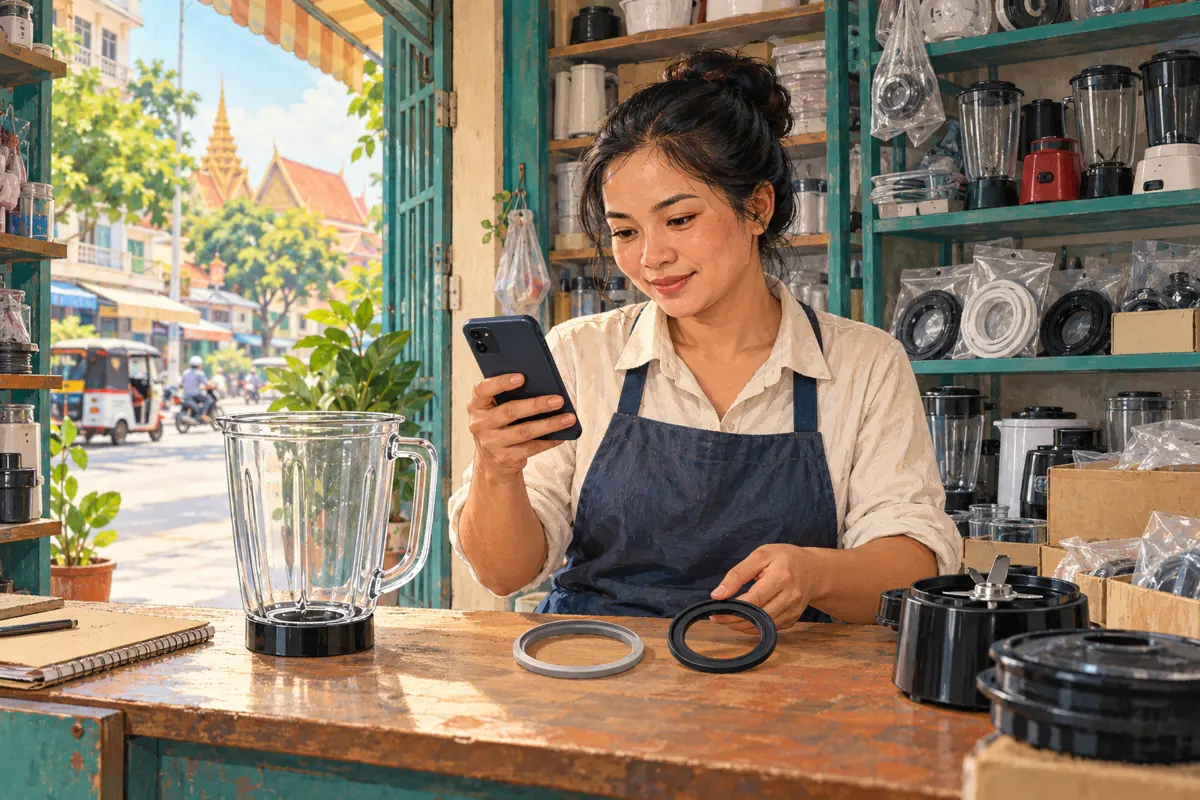
A translated supplier message can sound ready to publish while leaving the most important question unanswered: what exactly is being sold? For a Cambodian appliance-parts shop, a blender seal, blade assembly and complete jug base are different offers. Confusing them can bring enquiries that staff cannot fulfil. Telegram translation can help a shop understand unfamiliar wording, but the public promotion still needs checked product details. This guide follows a hypothetical Phnom Penh shop preparing a replacement-seal post. It shows how to move from a supplier conversation to a clear customer offer, where human confirmation matters, and how to assess an SMM-panel listing without mistaking a subscription or engagement service for product verification.
1. Define the question before translating
Start with the decision the post must support. In this hypothetical example, the shop wants customers to recognise a replacement sealing ring and send enough information for staff to check compatibility. The immediate objective is a useful identification enquiry. A broad promise such as “replacement bases available” would attract a different set of requests and could imply that several components are included.
Write a short internal question: “Does this supplier offer contain the ring alone, and which exact product reference identifies it?” Then gather the message, its accompanying photograph and any nearby clarification. Reading one sentence without its context can detach a product name from the supplier’s explanation of quantity, packaging or availability. Resolve those connections before drafting an attractive caption.
2. Test Telegram translation on the working phone
Telegram’s official translation announcement explains that enabling Translation under Settings > Language adds a Translate option when selecting a message. It also describes language exclusions that can hide that option. Check the shop’s current app controls and try a short supplier message before depending on the feature during a busy shift. The official instructions are at https://telegram.org/blog/reactions-spoilers-translations.
Telegram notes that available translation languages depend on the phone’s operating system. Confirm that the language pair you need is actually offered on the device being used. If the option is missing, inspect the language settings and exclusions; do not assume that buying a subscription will resolve every availability issue. When the required translation is unavailable, ask a competent reader or request a clearer message from the supplier.
3. Choose individual messages or whole-chat translation
Telegram distinguishes individual-message translation from Premium translation of entire chats, groups and channels. Its official guide describes a Translate bar for Premium users, with options controlling translated languages. Individual messages can be translated without that whole-chat feature. The supporting guide is https://telegram.org/blog/profile-pics-emoji-translations.
Choose according to the actual workload. A shop checking an occasional stock update can begin with individual messages. A staff member regularly reading a lengthy supplier conversation may find whole-chat translation worth evaluating. In either case, return to the relevant original wording when a detail affects the offer. Easier reading does not establish that two similar parts are interchangeable or that a supplier’s availability statement still applies today.
4. Separate identifiers from descriptive wording
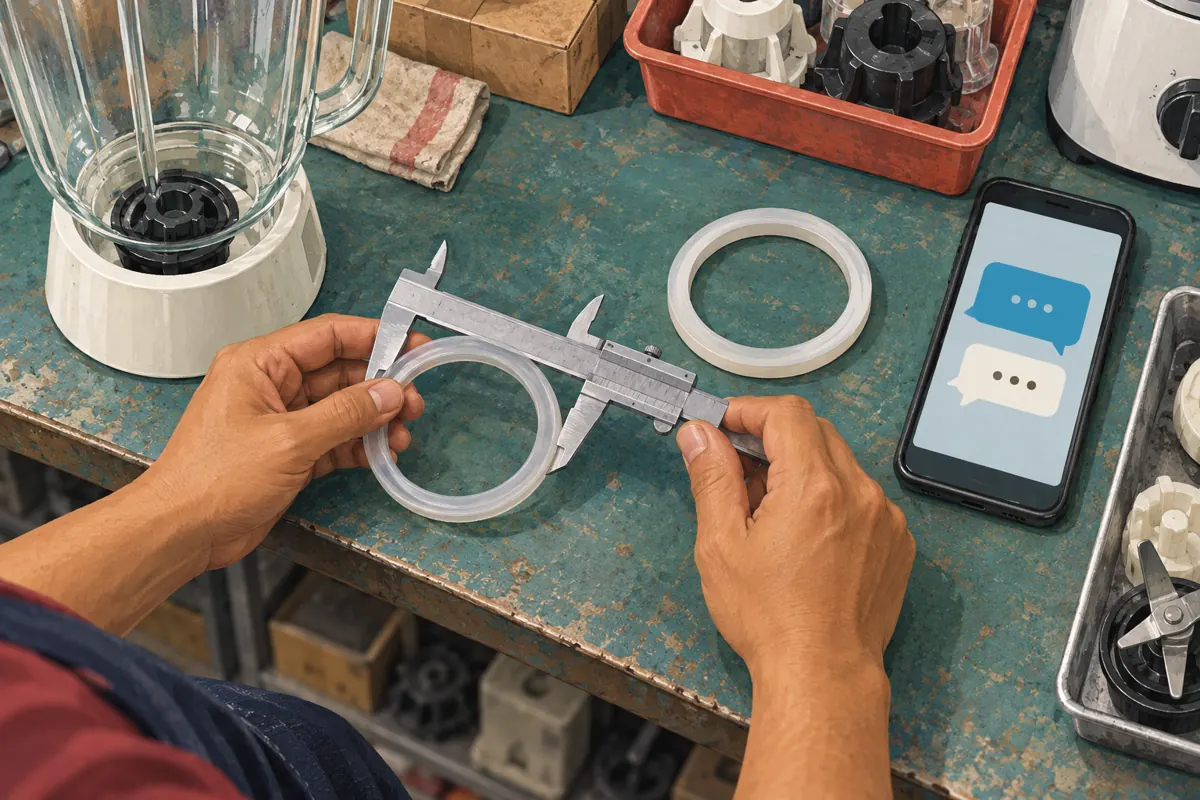
Make a compact comparison note with the supplier’s product reference, the original term, the translated interpretation and the unresolved question. Copy model codes exactly, preserving letters, hyphens and suffixes. Keep units beside measurements. A description such as “large ring” may help someone browse a conversation, but it is too weak to serve as the sole reference for a customer order.
For this hypothetical shop, a translated sentence might be understood as “seal for the small jug.” Staff should ask which jug model the supplier means and whether the image shows the actual item offered. Do not silently replace an unfamiliar technical term with a familiar local nickname. Record the nickname as an additional explanation after a knowledgeable colleague confirms that it refers to the same component.
5. Verify what the photograph cannot establish
Compare the supplier’s answer with the physical stock or reliable product documentation. Check the component supplied, its identifying reference and the measurements relevant to identification. A photograph can show general shape, but perspective and cropping can conceal differences. Similar appearance alone is insufficient support for a compatibility claim. Ask whoever handles technical checks to decide what evidence is needed for that particular part.
Keep product identification separate from repair advice. This workflow prepares a promotion; it does not establish that replacing a seal will solve a customer’s fault. If the shop has not assessed the appliance, the post should invite a compatibility check without promising a repair outcome. Avoid adding claims about material, food contact, heat resistance or durability merely because a translation uses reassuring language.
6. Confirm the offer in one focused exchange
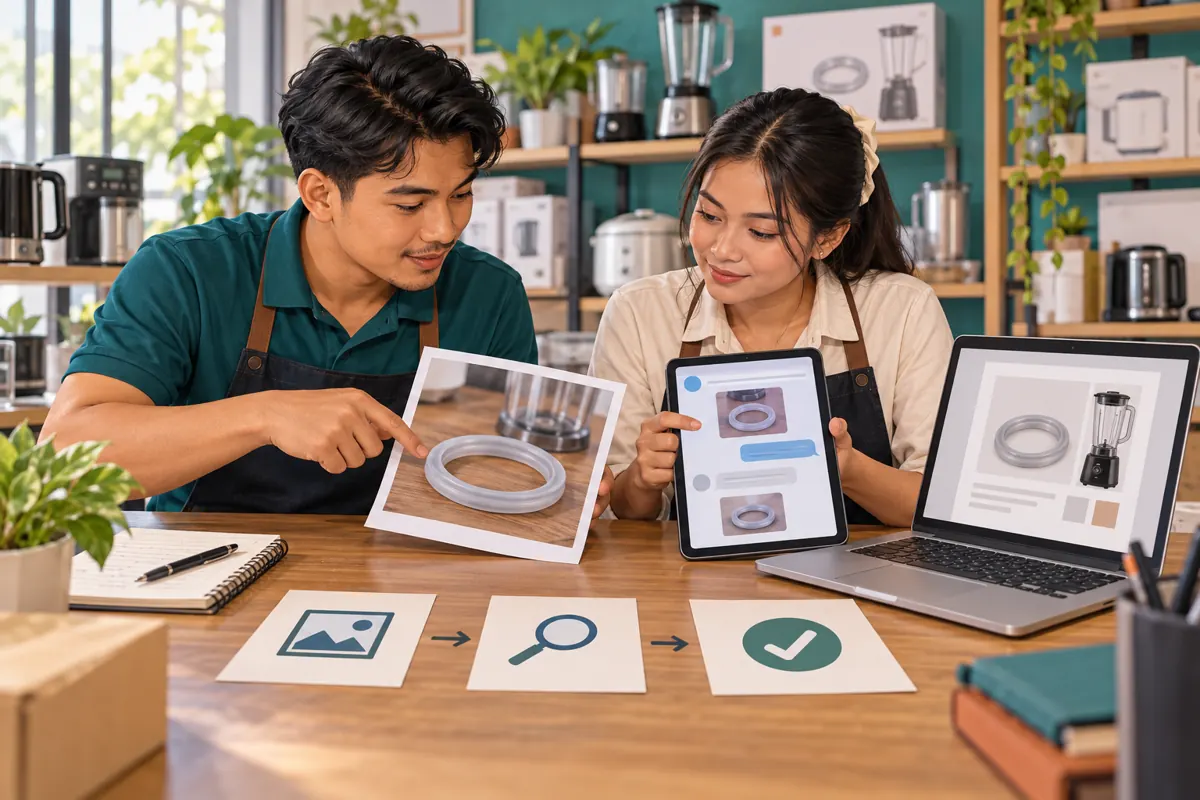
Send the supplier a concise confirmation request containing the product reference and the photograph being discussed. Ask separately whether the offer includes only the ring, whether any pictured accessories are excluded, and whether the item is currently available. Separate questions are easier to answer precisely than a long paragraph mixing stock, delivery, compatibility and payment.
In the hypothetical example, the supplier confirms that the offer is for a ring only, while the blade unit appears in the photo to show its position. That answer changes the promotion. The shop should photograph the ring separately or make the exclusion unmistakable. If confirmation remains ambiguous, hold the product-specific claim and prepare a general identification guide instead. Uncertainty is a reason to narrow the post’s promise.
7. Write a Cambodian customer-facing post from verified facts
Build the caption from the shop’s confirmed information rather than polishing the translated supplier sentence. State the item, what is included and what the customer should provide next. Use the language your customers understand, with genuine brand and model references preserved. A Khmer caption may still need an unchanged Latin model code so staff can match the enquiry to the correct stock record.
A hypothetical English draft could read: “Replacement blender sealing ring, sold separately. Send a clear photo of your jug model marking and the part you need so we can check the available option. Blade assembly and jug are not included.” Translate the approved meaning for the intended audience with competent review. Add pickup location, delivery conditions or price only after the shop confirms those details; a supplier’s dispatch arrangement is not automatically the shop’s customer offer.
8. Assess the relevant panel listing without filling in missing details
The supplied public catalogue includes the exact service name “Telegram Premium 3 Month.” Its description is blank. The title identifies a listing presented as a three-month Premium offering, but the brief does not establish its activation method, eligibility, delivery conditions or relationship with Telegram. Verify those terms before making a purchase decision, and distinguish the seller’s listing from Telegram’s own documentation of Premium features.
First test whether ordinary message translation handles the shop’s workload. If a subscription could address a recurring reading task, compare documented options and total cost. Never provide a login code, password or recovery information to clarify a vague listing. Other panel services do not verify translated product claims. Purchased engagement is not evidence of genuine interest, sales, ad delivery or Cambodian users, and should not become the reason to publish an unresolved offer.
9. Review the public offer before increasing exposure
Ask a colleague who has not read the supplier conversation to inspect the finished image and caption. Give them three questions: what will the buyer receive, what remains subject to checking, and what should the buyer send? If their answers differ from the approved offer, revise the post. This reveals assumptions that are obvious to the writer but invisible to a new visitor.
Then review the destination from a customer’s perspective. Make sure the contact route works and someone can handle the requested identification details. Keep the confirmed stock reference beside the final caption in the internal record. If the supplier changes the item or the shop discovers an error, pause further sharing while correcting the offer. Increasing exposure to an unclear post increases the number of people who may need clarification.
10. Learn from enquiry quality and avoid recurring mistakes
After sharing, record practical observations: whether customers send the requested model photo, whether they ask for a complete assembly, and which wording needs explanation. These observations help improve the next post. Keep genuine enquiries, completed sales and any panel delivery records separate. A customer asking about a ring has not necessarily ordered one, and a larger visible audience does not establish local demand.
Common mistakes include accepting fluent translation as technical approval, losing a model suffix, treating a pictured accessory as included, and turning a tentative stock message into a firm availability promise. Another is repeatedly translating the same unclear phrase without asking a better question. Maintain a small, reviewed vocabulary note for recurring components, but recheck every new product reference. Familiar wording can describe a different variant in the next shipment.
Frequently asked questions
Do we need Telegram Premium to translate an occasional supplier message?
Telegram documents individual-message translation separately from its Premium whole-chat feature. Try the ordinary message option on your working device first. Whether a subscription is worthwhile depends on how often staff read longer conversations and whether the available language support meets that need. Neither option removes the need to verify technical product details.
What should we do when the translation sounds natural but the product meaning is unclear?
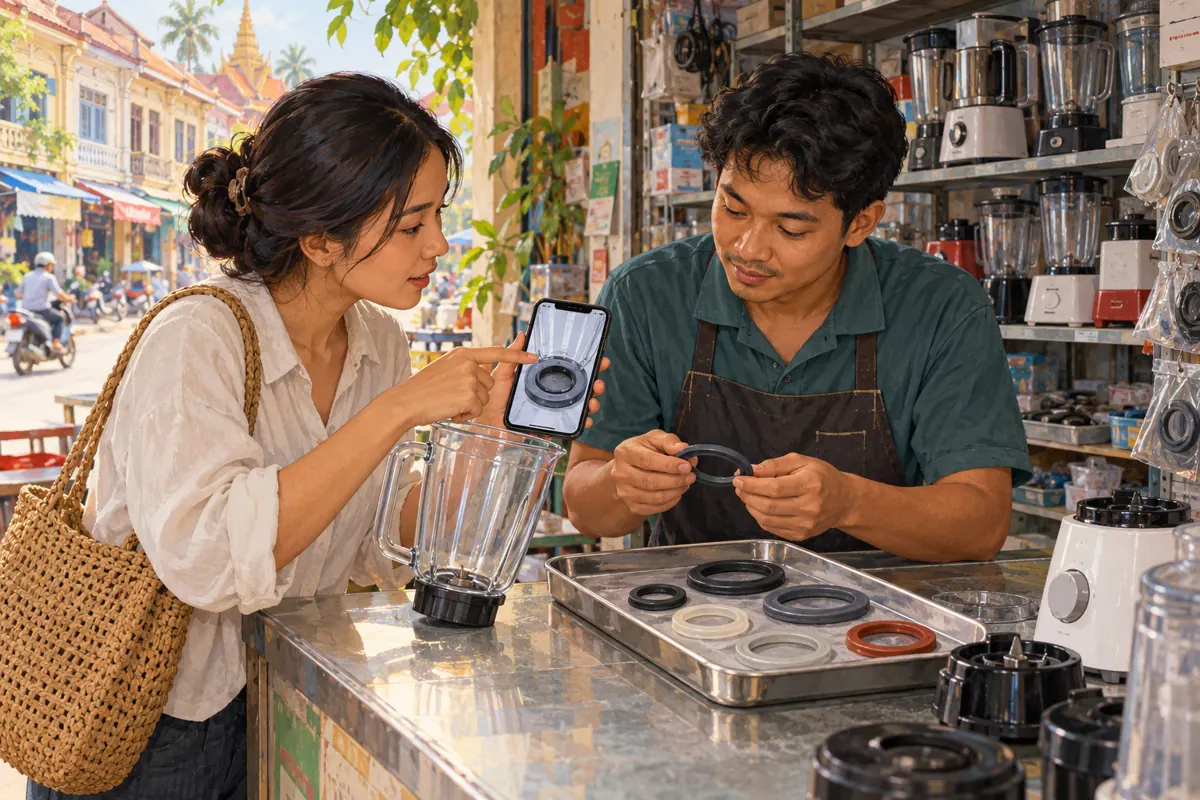
Turn the uncertainty into a focused question. Send the relevant image and reference, then ask whether the offer is for the seal alone or the complete assembly. Request a labelled photograph or written clarification when necessary. Do not publish the more attractive interpretation simply because it reads smoothly.
Can we advertise a part as compatible because its measurements appear to match?
Matching measurements can support identification, but this editorial workflow does not establish compatibility. Ask the shop’s qualified technical reviewer what documentation or inspection is needed. Until that check is complete, invite customers to submit their model information and avoid a universal-fit claim or a promise that the part will fix the fault.
Should the public post include the supplier conversation as proof?
Usually, a clear product photograph and the shop’s confirmed explanation are more useful. A conversation screenshot may expose private prices, contact details or unrelated messages while still leaving the product ambiguous. Keep the source material internally for review. Obtain appropriate permission before sharing someone else’s messages or images publicly.
How can we tell whether the revised promotion helped?
Look for better information in genuine enquiries: customers identifying the component, sending usable model photos and understanding exclusions. Note repeated misunderstandings and revise the relevant sentence or image. Record actual transactions separately. Without a controlled comparison, describe these as observations rather than claiming that translation checks caused a particular sales increase.
Explore the current service catalogue, create an account, or ask a specific question through support tickets.
- Telegram: Reactions, Spoilers, Translation and QR Codes
- Telegram: Profile Photo Maker, Translating Entire Chats, Emoji Categories and More
Prepared with AI assistance. Illustrations explain the workflow and do not represent customer results.